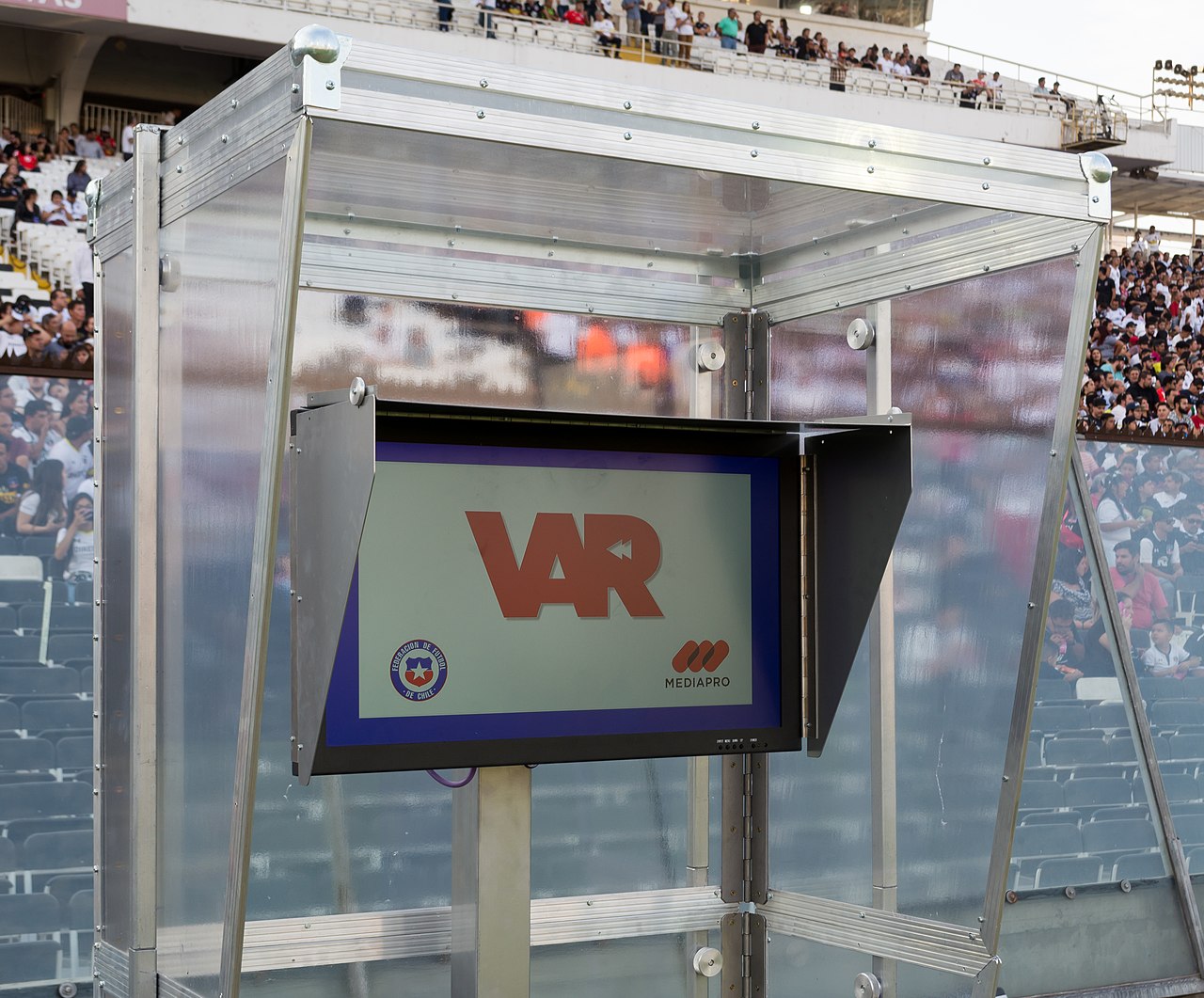
Scottish Cup VAR Rules: Why Finding Details Is a Challenge
In the rapidly evolving world of modern football, Video Assistant Referee (VAR) technology has become a cornerstone of officiating. Yet, for many fans and even pundits following the beautiful game in Scotland, obtaining clear, comprehensive, and easily accessible information on specific competition rules, such as the Scottish Cup VAR rules, often feels like a quest through a digital wilderness. Unlike other top leagues where VAR protocols might be widely publicised, finding definitive details for Scotland's most historic knockout competition can be an unexpectedly arduous task.
The frustration is palpable, and it's a sentiment frequently echoed online. Imagine trying to research specific regulations, only to be met repeatedly with security verification pages or fragmented, unofficial discussions. This experience, unfortunately, mirrors what many encounter when seeking granular information on the application of VAR within the Scottish Cup. It highlights a broader issue: the accessibility and transparency of vital footballing regulations in the digital age.
The Elusive Nature of Scottish Cup VAR Rules Information
The core of the challenge often lies in the dissemination of information. While the International Football Association Board (IFAB) provides the Laws of the Game and general VAR protocols, the specific implementation, nuances, and competition-specific adaptations fall under the purview of national associations like the Scottish Football Association (SFA). This is where the trail can go cold for the average supporter.
One of the primary frustrations, as highlighted by numerous online search attempts, is encountering digital gatekeepers such as "security verification pages." These ubiquitous barriers, designed to protect websites from bots or overwhelming traffic, inadvertently block users from accessing the very content they seek. For those trying to understand the latest Scottish Cup VAR rules, stumbling upon a "Performing security verification" or "Waiting for [website] to respond" message instead of an actual article is not just an inconvenience; it's a significant impediment to informed discussion and understanding.
Moreover, even when these technical hurdles are overcome, the desired information might not be presented in a consolidated, easy-to-digest format. VAR technology and its application are constantly being refined. What was true for one season might have subtle changes for the next, making it difficult to pinpoint the most current and accurate directives without wading through numerous updates or press releases. This dynamic nature contributes to the perceived scarcity of definitive, readily available rule sets for specific competitions like the Scottish Cup.
Navigating the Digital Maze: Common Obstacles for Fans and Researchers
Beyond the technical snags of security checks, several other factors contribute to the difficulty in unearthing detailed Scottish Cup VAR rules:
- Fragmented Information: Official guidelines might be scattered across various documents, minutes of meetings, or archived news sections on the SFA website, rather than compiled into a single, comprehensive VAR policy document for the Scottish Cup.
- Lack of Dedicated Resources: While general Laws of the Game are well-documented, competition-specific adaptations of VAR might not have a dedicated, easily searchable section on governing body websites.
- Reliance on Media Interpretation: Fans often rely on sports journalists or pundits to explain VAR decisions, but even these interpretations can sometimes lack the granular detail of official protocols. Journalists themselves often face similar challenges in accessing the foundational documentation.
- Terminology and Jargon: Official documents, when found, can often be dense with legalistic language or technical footballing jargon, making them less accessible to the casual fan.
- Outdated Content: A search might yield numerous articles from previous seasons, which, while informative, may not reflect the current season's specific protocols, given VAR's continuous evolution.
The core issue is that while VAR is widely discussed and its impact often debated, the foundational rules governing its application in specific Scottish competitions remain somewhat shrouded. This creates a disconnect between the visible implementation of VAR on match days and the public's understanding of its precise parameters.
Where to Look (and What to Expect) When Searching for Scottish Cup VAR Rules
Despite the challenges, a methodical approach can increase your chances of finding relevant information. Here are some practical tips for your search:
- Start with the Source: The official Scottish Football Association (SFA) website is always the primary point of reference.
- Look for sections related to "Rules & Regulations," "Competitions" (specifically the Scottish Cup), or "Refereeing."
- Search for "VAR" directly within their site's search function. You might find general VAR implementation policies, which, while not exclusive to the Scottish Cup, will outline the overarching principles applied.
- Consult IFAB: Remember that VAR operates under the Laws of the Game dictated by IFAB. While they won't have Scottish Cup specifics, understanding the global framework is crucial. Their website offers the latest Laws of the Game and VAR protocols, which the SFA will adhere to.
- Review Match Official Handbooks/Briefings: Occasionally, summaries or excerpts from referee handbooks or pre-season briefings that discuss VAR implementation might be made public or reported on by sports news outlets. These can offer valuable insights into the instructions given to officials.
- Reputable Sports News Outlets: Major Scottish sports news outlets (e.g., BBC Sport Scotland, Sky Sports News, The Scotsman, Daily Record) will report on significant changes or clarifications regarding VAR in Scottish football. While they may not host the official rule documents, they often summarise key points. Be mindful of the publication date to ensure you're reading current information.
- Parliamentary/Regulatory Body Reports: In some instances, discussions about VAR implementation or its cost might be addressed in broader regulatory or parliamentary discussions regarding Scottish football. These can sometimes yield official statements or documents.
- Official Club Statements (Rare but Possible): While not a primary source for rules, clubs occasionally issue statements or FAQs regarding VAR decisions or their understanding of protocols, which can sometimes reference official guidance.
When you do find information, be prepared for it to be quite general. Specific thresholds (e.g., how much contact constitutes a foul in the box for VAR intervention) or communication protocols might be detailed in internal documents for match officials rather than broadly published for the public. This is a common practice across football leagues globally.
Unpacking the "Why": Reasons for Information Scarcity
The persistent challenge in finding explicit Scottish Cup VAR rules stems from several interconnected factors:
- Evolutionary Technology: VAR is still a relatively new and evolving technology in football. Regulations are often refined based on practical experience, feedback, and technological advancements. This rapid iteration means that static, comprehensive documentation can quickly become outdated.
- Operational Focus: Governing bodies often prioritise the operational implementation and training of officials over public documentation. The focus is on ensuring referees, assistant referees, and VAR operators understand and apply the rules correctly on match day. Public communication, while important, might come secondary or in a summarised format.
- Standardisation vs. Specificity: The SFA largely adopts the general VAR protocols outlined by IFAB. Instead of creating an entirely new, exhaustive document for each competition, they might simply issue amendments or clarifications on how the standard protocols apply within the unique context of Scottish Cup matches (e.g., where VAR is active, which rounds it applies to, specific technical requirements for venues).
- Internal vs. External Documents: Many granular details about VAR, such as specific decision-making frameworks for subjective calls or communication flowcharts, are often contained in internal training manuals for officials. These are designed for those implementing the system, not necessarily for public consumption.
Impact on Fan Engagement and Understanding
This lack of readily available, explicit detail about Scottish Cup VAR rules has tangible consequences. It can lead to increased fan frustration, confusion, and even a erosion of trust in officiating. When decisions are made that appear contentious, and the public lacks clear guidelines to understand the parameters of those decisions, it fuels debate and often suspicion. Clear communication and accessible rule sets are vital for maintaining the integrity and enjoyment of the game, fostering a shared understanding between officials, players, and supporters.
Conclusion
While the advent of VAR aims to bring greater fairness and accuracy to the Scottish Cup, the journey for fans to understand its precise application remains unexpectedly complex. Encountering digital obstacles like security verification pages, coupled with the fragmented nature of official information, creates a significant hurdle. As VAR continues to embed itself in Scottish football, there's a clear need for governing bodies to prioritise transparency and accessibility, ensuring that the rules of the game are as clear and available to the passionate supporters as they are to the officials on the pitch. For now, diligent searching, cross-referencing, and a keen eye for official SFA and IFAB communications remain the best tools for those looking to truly grasp the intricacies of Scottish Cup VAR rules.